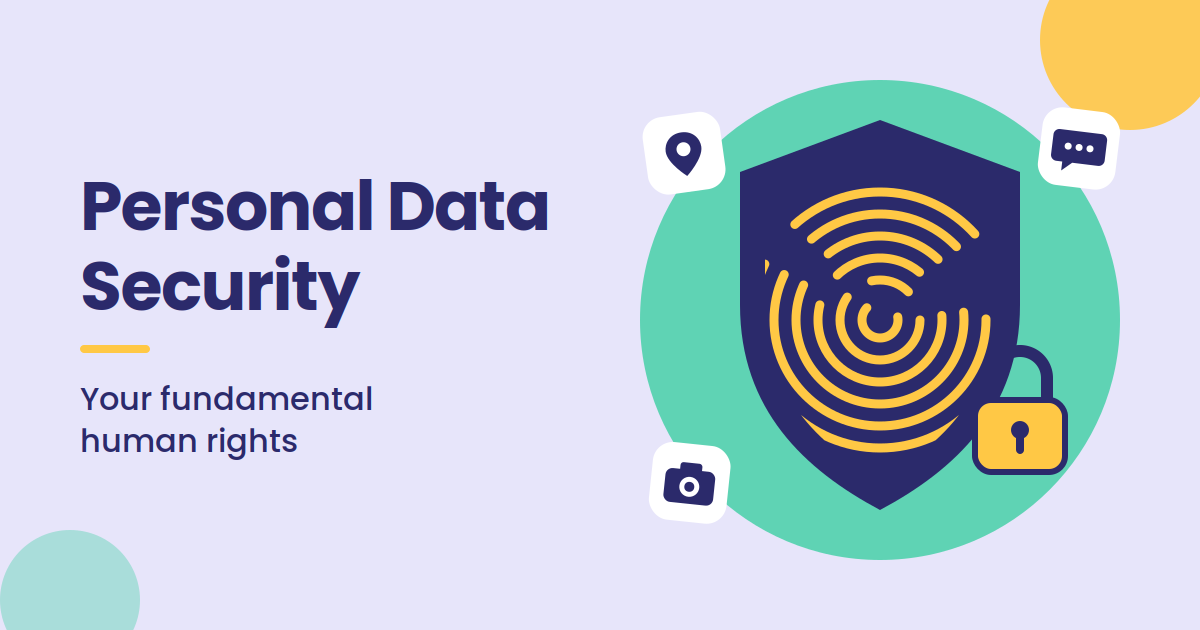
Your name, face, location, and chat history aren't just "info." They're pieces of you. That's why international law, and countries like the UK, treat protecting personal data as a basic human right, not a nice-to-have.
1. Privacy: Your Digital Diary
- The Vibe: Your phone is a diary that never closes. Nobody should read it without your permission.
- The Simple Example: A "free" personality quiz app quietly grabs your contacts and location, then sells them to advertisers you've never heard of.
- Red Flags: Apps asking for permissions they don't need, vague privacy policies, and "Allow All" pop-ups you tap without reading.
2. Your Data, Your Rules
- The Vibe: Lending someone your car doesn't make it theirs. Same goes for your data.
- The Simple Example: You stopped shopping at an online store, but they keep emailing you. according to UU PDP, you can ask them to show you every piece of data they hold on you, or delete it completely.
- Pro Tip: Know your rights: to see, correct, and delete your data. Many apps have a "Download my data" or "Delete account" option hidden in settings.
References
Universal Declaration of Human Rights (1948), Article 12: protection against arbitrary interference with privacy and correspondence.
International Covenant on Civil and Political Rights (1966), Article 17: the legally binding version of the same right to privacy.
European Convention on Human Rights, Article 8: the right to respect for private and family life.
UK Human Rights Act 1998: brings ECHR Article 8 into UK law.
UK GDPR and the Data Protection Act 2018: the UK's main data protection rules, including the rights to access, correct, and erase personal data. Some parts were updated by the Data (Use and Access) Act 2025.
Indonesia, UU No. 27 Tahun 2022 tentang Pelindungan Data Pribadi (UU PDP): gives Indonesian citizens similar rights over their personal data (optional, kalau pembacamu banyak dari Indonesia).